What Roof Inspectors Look For (And What You Should Too)
December 8, 2025|
As you commence on a roof inspection, it’s crucial to approach it with a keen eye and a methodical approach. Begin by carefully examining the roof’s surface, looking for any visible signs of damage or wear. Inspect the shingles, tiles, or other roofing materials, checking for cracks, curling, or missing pieces. Pay close attention to the flashing around chimneys, vents, and skylights, ensuring they’re properly sealed and intact. 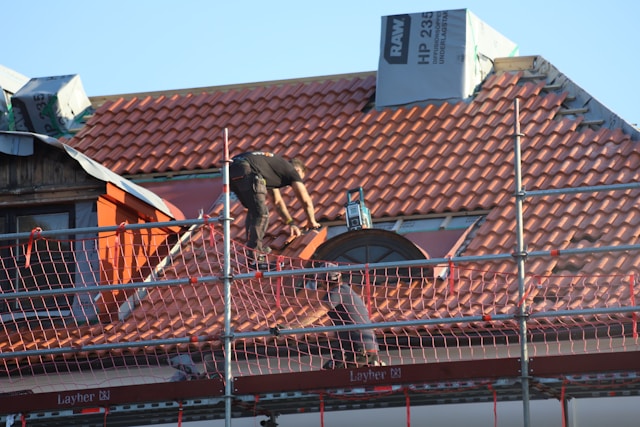 Examine the gutters and downspouts, clearing any debris that could impede water flow. Additionally, look for signs of moisture intrusion, such as stains or discoloration, which could indicate underlying issues. Why Roof Inspections Matter in Ogden’s ClimateOgden, Utah’s harsh climate poses unique challenges for roofs, underscoring the critical importance of regular inspections. Heavy snowfall, howling winds, and intense UV radiation accelerate deterioration, necessitating a thorough roof inspection checklist. Shingles must be scanned for cracks, curling, or missing granules, while flashing around chimneys and vents requires close attention. Attic ventilation and roof deck integrity also warrant inspection, as improper airflow and structural issues can lead to moisture problems. What Professional Roof Inspectors CheckProfessional roof inspectors thoroughly examine several key areas during a detailed assessment. They meticulously inspect the condition of shingles, looking for cracks, curling, or missing pieces that could lead to leaks. Flashing around chimneys, vents, and roof edges is carefully evaluated for proper installation and weatherproofing. The attic is checked for signs of moisture intrusion, ensuring adequate ventilation. Decking is inspected for rot or structural damage. Inspectors also use advanced techniques, like thermal imaging, to detect hard-to-spot roof leak origins. This extensive approach helps identify problems early, allowing for timely, cost-effective repairs that extend the lifespan of your roof. Common Warning Signs You Shouldn’t IgnoreHow can you spot issues that warrant prompt roof inspection and repair? Keep an eye out for signs of storm damage. Curled, cracked, or missing shingles could mean leaks are just around the corner. Sagging, stained, or moldy spots on your ceiling indicate moisture intrusion. Damaged flashing around chimneys, vents, or skylights are common entry points for water. You may also notice granules accumulating in your gutters, which signals shingles are wearing thin. Any visible damage, discoloration, or structural concerns require professional evaluation to avoid escalating roof storm damage and costly repairs down the line. Interior and Attic Inspection TipsWhile you can inspect the roof’s exterior for visible signs of damage, don’t overlook the importance of interior and attic inspections. Look for ceiling water stains, which may indicate roof leaks. Inspect the attic for proper ventilation, adequate insulation, and any signs of moisture intrusion. Pay close attention to the attic floor, walls, and roof decking for evidence of damage or deterioration.
What You Can Safely Inspect YourselfAs a homeowner, you can perform some basic roof inspections yourself to catch potential issues early. Here’s what to look for during a DIY roof inspection:
Staying vigilant and addressing any issues you find can help extend the life of your roof and prevent costly repairs down the line. Ice Dams, UV Damage, and Local Weather RisksOgden, Utah’s extreme seasonal weather poses unique challenges for homeowners. Harsh winters bring heavy snowfall and subfreezing temperatures, increasing the risk of ice dams forming along your roof’s edge. These blockages trap melting snow, causing water intrusion, leaks, and structural damage. Proactive ice dam prevention is key – proper attic insulation, ventilation, and gutter protection can help. Meanwhile, the region’s abundant UV rays accelerate shingle deterioration over time. Closely monitor for curled, cracked, or missing shingles and have them replaced promptly. Neglecting roof issues leads to expensive repairs, so stay vigilant against these local weather risks through regular inspections and timely maintenance. Tools Pros Use: Drones, Moisture Meters & MoreProfessional roof inspectors rely on a suite of specialized tools to thoroughly assess the condition of your home’s roofing system. From drones to moisture meters, these tools help them identify issues you might miss from the ground. Here are 4 key tools they use:
Best Times to Schedule a Roof InspectionKnowing when to schedule a roof inspection can make all the difference in protecting your home. Ogden roof inspectors recommend having your roof checked twice a year – once in the spring and again in the fall. This timing allows them to assess damage from winter weather and prepare your roof for the next season. Signs like missing shingles, clogged gutters, or attic condensation indicate an immediate need for an inspection. You should also schedule a review after major storms or if you notice any leaks or stains. Regular maintenance from Ogden roofing experts can extend the life of your roof and prevent costly repairs down the line. Why Choose Ogden Roofing Company for Roof ChecksWhen you entrust your home’s safety to a roofing company, you deserve unwavering expertise, personalized service, and a commitment to your long-term satisfaction. That’s why Ogden Roofing Company is the smart choice for your roof checks. They offer:
With Ogden Roofing Company, you can trust your roof is in the hands of true professionals, dedicated to your home’s safety and your peace of mind. |
|